Elevate Your Space: Infusing Spiritual Serenity with Mandala Designs
In today's fast-paced world, creating a sanctuary within your home has become more important than ever. As we navigate the complexities of modern life, many of us are seeking ways to bring peace, balance, and spiritual harmony into our living spaces. One of the most powerful and aesthetically beautiful ways to achieve this is through the incorporation of mandala designs. These ancient, sacred geometric patterns have transcended centuries and cultures, offering not only visual appeal but also profound spiritual significance. At MonroeBarrett, we believe that your space should be a reflection of your inner peace and spiritual journey. This comprehensive guide will explore how you can elevate your environment through the thoughtful integration of mandala designs, transforming your home into a sanctuary of serenity and spiritual awakening.
Understanding Mandalas: Ancient Wisdom Meets Modern Living
Mandalas are far more than decorative elements. The word "mandala" comes from Sanskrit, meaning "circle" or "complete whole," and these intricate designs have been used for thousands of years in Hindu, Buddhist, and other spiritual traditions. Each mandala is a representation of the universe, a visual meditation tool that guides the viewer toward spiritual enlightenment and inner peace.
The Historical Significance of Mandalas
The history of mandalas stretches back to ancient times, with evidence of their use appearing in various cultures across the globe. In Hinduism, mandalas are used as tools for meditation and spiritual practice, representing the cosmos and the journey toward self-realization. Buddhist mandalas, particularly those created by Tibetan monks, are intricate sand paintings that serve as temporary representations of the impermanence of life and the interconnectedness of all beings.
The creation of mandalas has always been a sacred practice, often performed by spiritual practitioners and artists who understand the deeper meaning behind each symbol and pattern. The geometric precision of mandalas is not arbitrary; each line, curve, and color carries spiritual significance. The circular nature of mandalas represents wholeness, unity, and the eternal cycle of life, while the patterns within them often symbolize the journey from the outer material world toward the inner spiritual center.
The Spiritual Meaning Behind Mandala Patterns
Each element within a mandala design carries specific spiritual meaning. The center of a mandala typically represents the divine source or the core of one's being. As you move outward from the center, the patterns become increasingly complex, symbolizing the layers of existence and consciousness. The symmetry found in mandalas is not merely aesthetic; it represents balance, harmony, and the equilibrium between opposing forces.
Different colors used in mandalas also hold spiritual significance. Red represents passion and energy, blue symbolizes tranquility and wisdom, green embodies growth and healing, yellow radiates joy and enlightenment, and purple connects to spiritual awareness and transformation. Understanding these meanings allows you to choose mandala designs that resonate with your personal spiritual journey and the energy you wish to cultivate in your space.
The Psychology of Mandalas and Environmental Design
Beyond their spiritual significance, mandalas have a profound psychological impact on those who view them. Research in environmental psychology has shown that exposure to symmetrical, geometric patterns can reduce stress, lower anxiety levels, and promote a sense of calm and well-being. The act of gazing upon a mandala can induce a meditative state, slowing brain wave activity and promoting relaxation.
How Mandalas Affect Mental Well-being
The human brain is naturally drawn to patterns and symmetry. When we encounter a mandala, our eyes are guided inward toward the center, creating a natural focal point that encourages contemplation and introspection. This visual journey mirrors the spiritual journey toward enlightenment, making mandalas powerful tools for mental health and emotional balance.
Studies have shown that individuals who incorporate mandalas into their living spaces report improved sleep quality, reduced stress levels, and enhanced feelings of peace and contentment. The repetitive nature of mandala patterns can be particularly soothing for those dealing with anxiety or racing thoughts. By providing a visual anchor for meditation and mindfulness, mandalas help quiet the mind and create a sense of inner stillness.
Creating a Harmonious Environment Through Design
The placement and selection of mandalas in your space can significantly influence the overall energy and atmosphere of your home. A well-chosen mandala can serve as a focal point that draws positive energy into a room, creating a harmonious environment that supports your spiritual practice and daily well-being. The key is to select designs and placements that align with your personal aesthetic preferences and spiritual intentions.
Choosing the Right Mandala Designs for Your Space
With countless mandala designs available, selecting the ones that best suit your space and spiritual needs requires thoughtful consideration. At MonroeBarrett, we offer a curated selection of mandala designs that cater to various tastes, spiritual traditions, and interior design styles.
Assessing Your Space and Aesthetic Preferences
Before selecting a mandala design, take time to evaluate your space. Consider the color palette of your room, the existing décor style, and the overall atmosphere you wish to create. Are you drawn to traditional, intricate designs, or do you prefer modern, minimalist interpretations of mandalas? Do you want a bold statement piece or a subtle accent that complements your existing furnishings?
The size of your space also matters. A large, detailed mandala can serve as a stunning focal point in a spacious room, while smaller designs work beautifully in intimate spaces or as part of a gallery wall arrangement. Consider the lighting in your space as well; mandalas with vibrant colors may be best displayed where they receive natural light, while metallic or reflective mandala designs can enhance artificial lighting.
Matching Mandalas to Your Spiritual Practice
If you have a specific spiritual practice or tradition, you may want to select mandalas that align with those beliefs. Buddhist mandalas, with their intricate geometric patterns and symbolic representations, are perfect for those practicing Buddhist meditation. Hindu mandalas, often featuring chakra symbols and sacred geometry, resonate with those following Hindu or yogic traditions. Contemporary spiritual seekers might prefer modern interpretations that blend traditional mandala elements with contemporary aesthetics.
Consider also the energy you wish to cultivate. If you're seeking healing and restoration, mandalas featuring greens and blues with flowing, organic patterns may be ideal. For those seeking to enhance creativity and passion, designs featuring reds, oranges, and dynamic patterns might be more appropriate. The spiritual intention behind your choice will influence how the mandala affects your space and your personal energy.
Color Psychology in Mandala Selection
The colors within a mandala design play a crucial role in determining the energy it brings to your space. Understanding color psychology can help you select designs that support your spiritual goals and emotional well-being.
Red mandalas stimulate energy, passion, and courage. They're ideal for spaces where you want to encourage action, creativity, and vitality. Orange mandalas promote enthusiasm, joy, and social connection, making them perfect for living rooms and gathering spaces. Yellow mandalas radiate optimism, clarity, and intellectual stimulation, making them excellent for home offices or study areas.
Green mandalas embody healing, growth, and renewal. They're particularly beneficial in bedrooms, bathrooms, or any space dedicated to rest and rejuvenation. Blue mandalas promote calm, communication, and spiritual awareness, making them ideal for meditation rooms or bedrooms. Purple mandalas connect to intuition, spiritual transformation, and higher consciousness, perfect for spiritual practice spaces or personal sanctuaries.
Incorporating Mandalas into Different Rooms
Each room in your home serves a different purpose and requires a different approach to mandala integration. By thoughtfully selecting and placing mandalas throughout your home, you can create a cohesive spiritual environment that supports your well-being in every space.
Bedroom Sanctuaries
Your bedroom should be a sanctuary of peace and rest. Mandalas in the bedroom can promote deep sleep, peaceful dreams, and spiritual renewal. Consider placing a large mandala artwork above your bed as a focal point, or opt for softer, more muted color palettes that promote relaxation. Mandalas featuring blues, purples, and greens are particularly effective in bedroom settings.
Mandala bedding, throw pillows, or wall tapestries can introduce these sacred designs without overwhelming the space. The key is to create an environment that feels calming and supportive of restful sleep. Some people find that meditating on a mandala before sleep helps quiet racing thoughts and promotes deeper, more restorative rest.
Living Room Focal Points
The living room is often the heart of the home, a space where family and guests gather. A striking mandala artwork can serve as a beautiful focal point that sparks conversation and creates a welcoming, spiritually infused atmosphere. Consider a large canvas print, a framed mandala tapestry, or even a mandala mirror that reflects light and creates visual interest.
In living rooms, you have more flexibility with color and design complexity. Bold, vibrant mandalas can make a dramatic statement, while more subtle designs can complement existing décor. The living room is also an ideal space for mandalas that represent unity and connection, as these themes align with the social nature of the space.
Home Office and Creative Spaces
For those working from home or seeking to enhance creativity, mandalas can be powerful tools for focus and inspiration. Mandalas featuring yellows, oranges, and reds can stimulate mental clarity and creative energy. Place a mandala where you can see it during work, perhaps on a shelf, as a desk accessory, or as wall art above your workspace.
Mandala designs that emphasize geometric precision and intricate detail can be particularly inspiring for creative professionals. The complexity and balance of mandala patterns can help unlock creative thinking and problem-solving abilities. Some people find that gazing at a mandala during moments of creative block helps restore flow and inspiration.
Meditation and Spiritual Practice Spaces
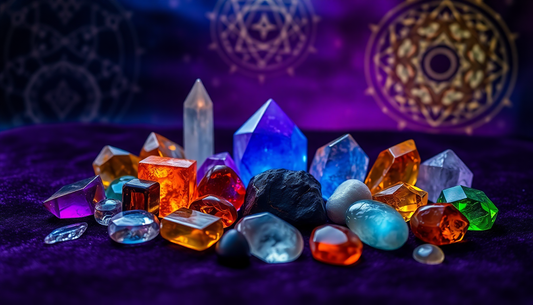
If you have a dedicated meditation or yoga space, mandalas are essential elements. This is the perfect place for your most meaningful, spiritually significant mandala designs. Consider creating a small altar or meditation corner with a mandala as the central focus. You might combine your mandala with other spiritual elements like crystals, candles, or incense to create a truly sacred space.
In meditation spaces, the mandala serves as a visual anchor for your practice. As you meditate, you can focus on the mandala, allowing your gaze to move from the outer patterns toward the center, mirroring your spiritual journey inward. This practice can deepen your meditation and enhance your spiritual connection.
Bathroom Retreats
Bathrooms are often overlooked as spaces for spiritual design, yet they offer wonderful opportunities for creating moments of peace and renewal. A mandala design in the bathroom can transform your daily rituals into spiritual practices. Consider mandala shower curtains, bath mats, or wall art that features calming colors and healing energy.
The bathroom is an ideal space for mandalas that emphasize cleansing, renewal, and self-care. As you bathe or prepare for your day, the mandala can serve as a reminder to approach these activities with mindfulness and intention, transforming routine tasks into spiritual practices.
Mandala Design Styles and Formats
Mandalas come in various styles and formats, each offering unique aesthetic and spiritual qualities. Understanding the different options available will help you select designs that best suit your space and preferences.
Traditional vs. Contemporary Mandala Designs
Traditional mandalas honor the historical and spiritual roots of these sacred designs. They often feature intricate geometric patterns, symmetrical arrangements, and colors that hold deep spiritual significance. Traditional designs are perfect for those seeking to connect with the historical and spiritual heritage of mandalas.
Contemporary mandala designs blend traditional elements with modern aesthetics. These designs might feature simplified patterns, unexpected color combinations, or abstract interpretations of traditional mandala symbolism. Contemporary designs are ideal for those seeking a more modern look while still honoring the spiritual essence of mandalas.
Canvas Prints and Wall Art
Canvas prints offer a sophisticated way to display mandala designs. High-quality canvas prints capture the detail and vibrancy of mandala artwork, creating stunning focal points in any room. Canvas prints are durable, easy to maintain, and can be displayed in various sizes to suit your space.
Wall art in other formats, such as framed prints, metal prints, or acrylic displays, offers additional options for mandala integration. Each format has unique qualities; metal prints offer a modern, sleek appearance, while framed prints provide a classic, gallery-like presentation.
Textiles and Soft Furnishings
Mandala designs on textiles bring these sacred patterns into everyday use. Mandala tapestries can be hung on walls, draped over furniture, or used as room dividers. Mandala bedding, including duvet covers, pillowcases, and sheets, allows you to surround yourself with these designs as you sleep.
Throw pillows, blankets, and rugs featuring mandala designs add comfort and spiritual energy to your space. These soft furnishings are particularly effective because they're touchable and interactive, allowing you to engage with the mandala design throughout your day.
Decorative Objects and Functional Items
Beyond wall art and textiles, mandalas appear in various decorative and functional items. Mandala-designed plates, bowls, and dinnerware can bring spiritual energy to your dining experience. Mandala mirrors, clocks, and other functional décor items serve practical purposes while infusing your space with sacred geometry.
Mandala cushions, poufs, and meditation mats are perfect for creating comfortable spaces dedicated to spiritual practice. These items combine functionality with spiritual significance, making them valuable additions to any home.
Creating a Cohesive Mandala Design Scheme
While individual mandala pieces are beautiful, creating a cohesive design scheme throughout your home can amplify the spiritual energy and create a unified, harmonious environment.
Developing a Color Palette
Start by selecting a color palette that resonates with you and complements your home's existing décor. You might choose a monochromatic scheme featuring various shades of a single color, a complementary scheme using colors opposite each other on the color wheel, or an analogous scheme using colors adjacent to each other.
Once you've established your color palette, select mandala designs that work within this scheme. This doesn't mean every mandala must be identical; rather, they should share color harmonies that create visual cohesion throughout your space.
Balancing Complexity and Simplicity
A successful mandala design scheme balances intricate, detailed designs with simpler, more minimalist pieces. This prevents your space from feeling overwhelming while maintaining visual interest. You might feature a complex, detailed mandala as a focal point in one room, then use simpler mandala designs as accents in other spaces.
Creating Visual Flow
Consider how mandalas flow throughout your home. Rather than placing them randomly, think about creating a visual journey that guides visitors through your space. You might start with a bold mandala in your entryway, then transition to softer designs in private spaces, creating a progression that reflects the journey from the outer world to your inner sanctuary.
Mandala Placement and Display Techniques
The placement of mandala designs significantly influences their impact on your space and their effectiveness in promoting spiritual energy.
Wall Placement Strategies
When hanging mandala artwork on walls, consider the height and positioning carefully. Artwork should typically be hung at eye level, with the center of the piece at approximately 57-60 inches from the floor. However, in meditation spaces or above beds, you might position mandalas slightly higher to create a sense of elevation and spiritual connection.
Consider the wall space available and the surrounding décor. A large mandala can anchor a wall and serve as a focal point, while smaller mandalas can be grouped together in a gallery wall arrangement. Ensure adequate space around the mandala so it doesn't feel cramped or overwhelmed by other elements.
Creating Gallery Walls
Gallery walls featuring multiple mandala designs create stunning visual displays and allow you to showcase various styles and colors. When creating a gallery wall, maintain visual balance by varying the sizes and orientations of the pieces. You might alternate between horizontal and vertical orientations, or create a symmetrical arrangement that echoes the balance found within mandalas themselves.
Layering Mandalas with Other Elements
Mandalas work beautifully when layered with other spiritual and decorative elements. Combine mandala artwork with mirrors, plants, crystals, or other meaningful objects to create rich, visually interesting displays. This layering approach adds depth and complexity to your design while maintaining a cohesive spiritual aesthetic.
The Spiritual Practice of Mandala Meditation
Beyond their decorative value, mandalas serve as powerful tools for spiritual practice and meditation. Incorporating mandala meditation into your daily routine can deepen your spiritual connection and enhance the benefits of your home environment.
Mandala Gazing Meditation
Mandala gazing meditation is a simple yet profound practice. Sit comfortably before a mandala, whether it's displayed on your wall, printed on paper, or visualized in your mind. Allow your eyes to rest on the center of the mandala, then slowly let your gaze move outward, following the patterns and designs. This practice naturally quiets the mind and promotes a meditative state.
As you gaze upon the mandala, notice the colors, patterns, and symbols. Allow any thoughts or emotions to arise without judgment, simply observing them as they pass. This practice can be done for as little as five minutes or as long as you wish, making it accessible for busy schedules.
Mandala Coloring as Spiritual Practice
Mandala coloring has become increasingly popular as a form of mindfulness and spiritual practice. The act of coloring a mandala design engages both hemispheres of the brain, promoting relaxation and focus. As you color, you're not only creating beauty but also engaging in a meditative practice that quiet